
A Virus Without Cure: Notes from a Spiritan Retreat with Fr Richard Fagah CSSp
The 2026 British Province Retreat was moderated by Rev. Fr. Richard Fagah, CSSp, of the Spiritan Province of Nigeria North-East, currently running the Spiritan Centre, Poullart Des Places House, Rennes, France. It commenced on Sunday, 26th April 2026, marking the second retreat gathering for the year for the entire British Province-bringing together both professed members and lay associates. Notably, Fr. Fagah also facilitated the first session, ensuring a steady continuity in the spiritual journey of the province.
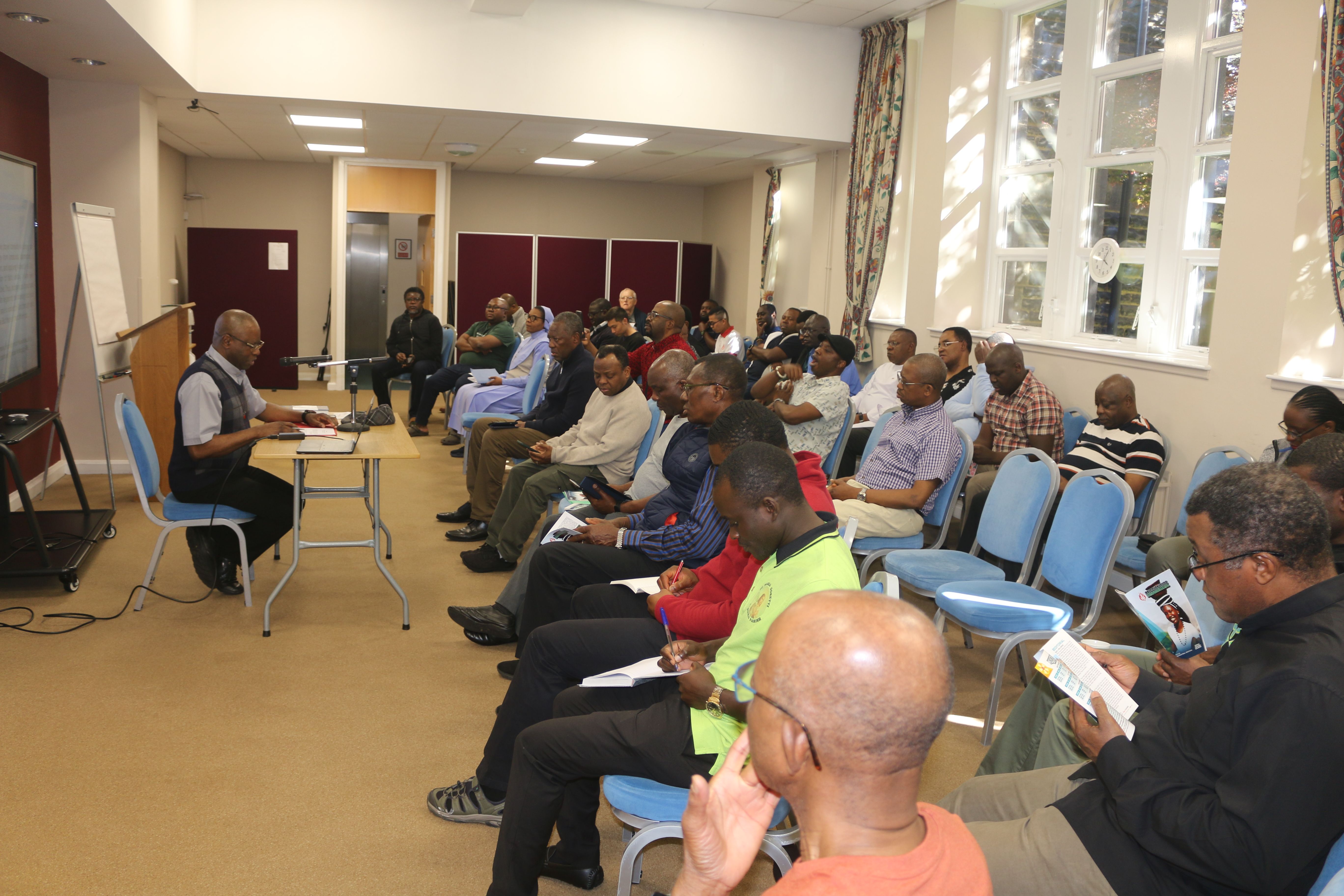
Five lay associates, having already declared their intention to share in the spirituality of the Congregation, stepped more intentionally into that commitment by enrolling for this sacred pause. It was not just another programme; it was a deliberate withdrawal-an entering into silence so that something deeper could speak.
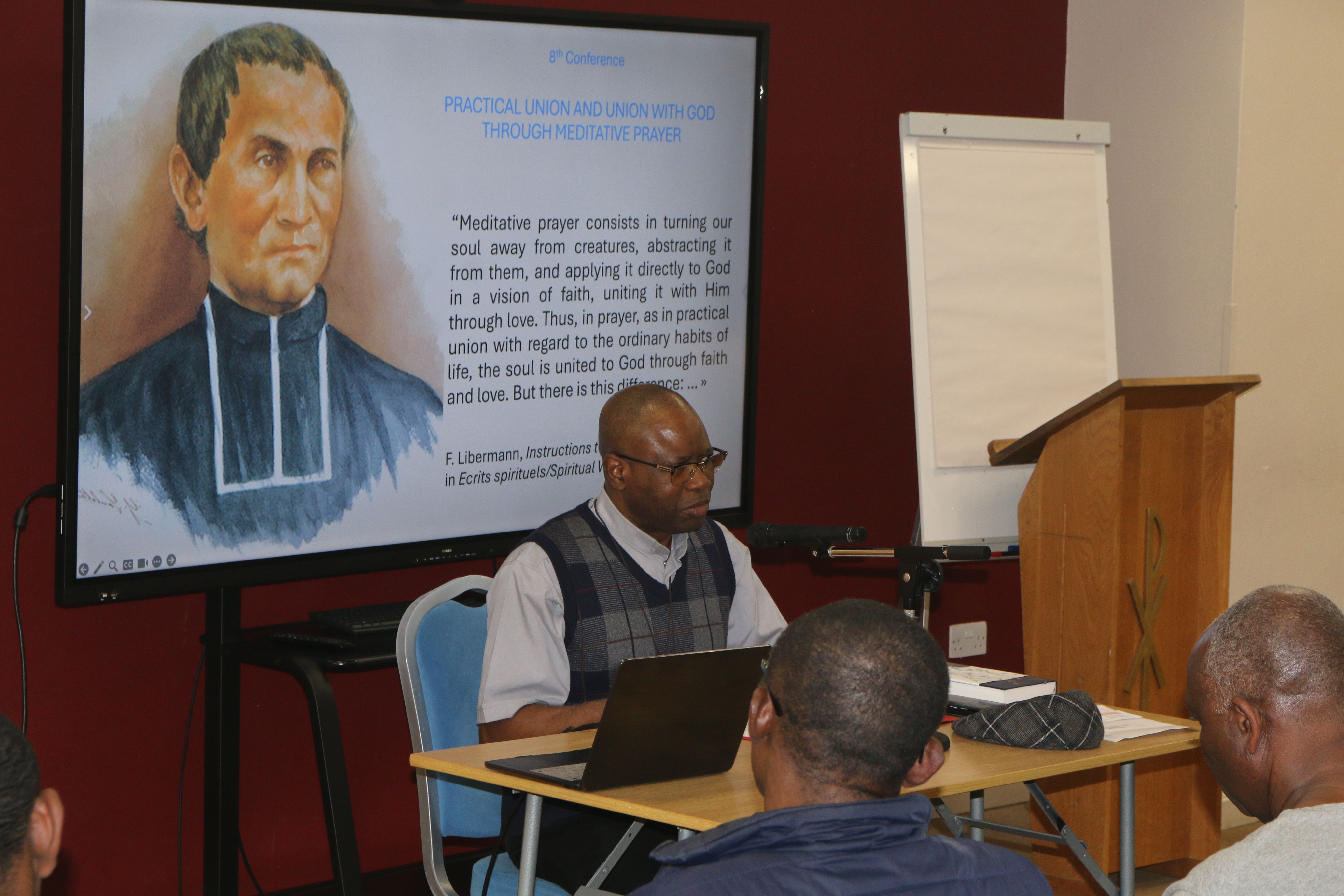
From the quiet of that Sunday evening, Fr. Fagah did not waste time easing us in gently. He struck at the centre. The theme: “The Missionary Instructions of Venerable Fr. Libermann and their relevance for contemporary Spiritan mission.” In the first conference, he opened up what he called the mysticism of being sent-the very nucleus of the missionary condition. Mission is not first activity; it is identity. To be sent is to be claimed, seized, and given away. And so his striking image lingered: we must catch this virus-one for which there is no treatment, no cure, no escape. Once it takes hold, it rearranges everything-desires, priorities, even how we understand suffering.
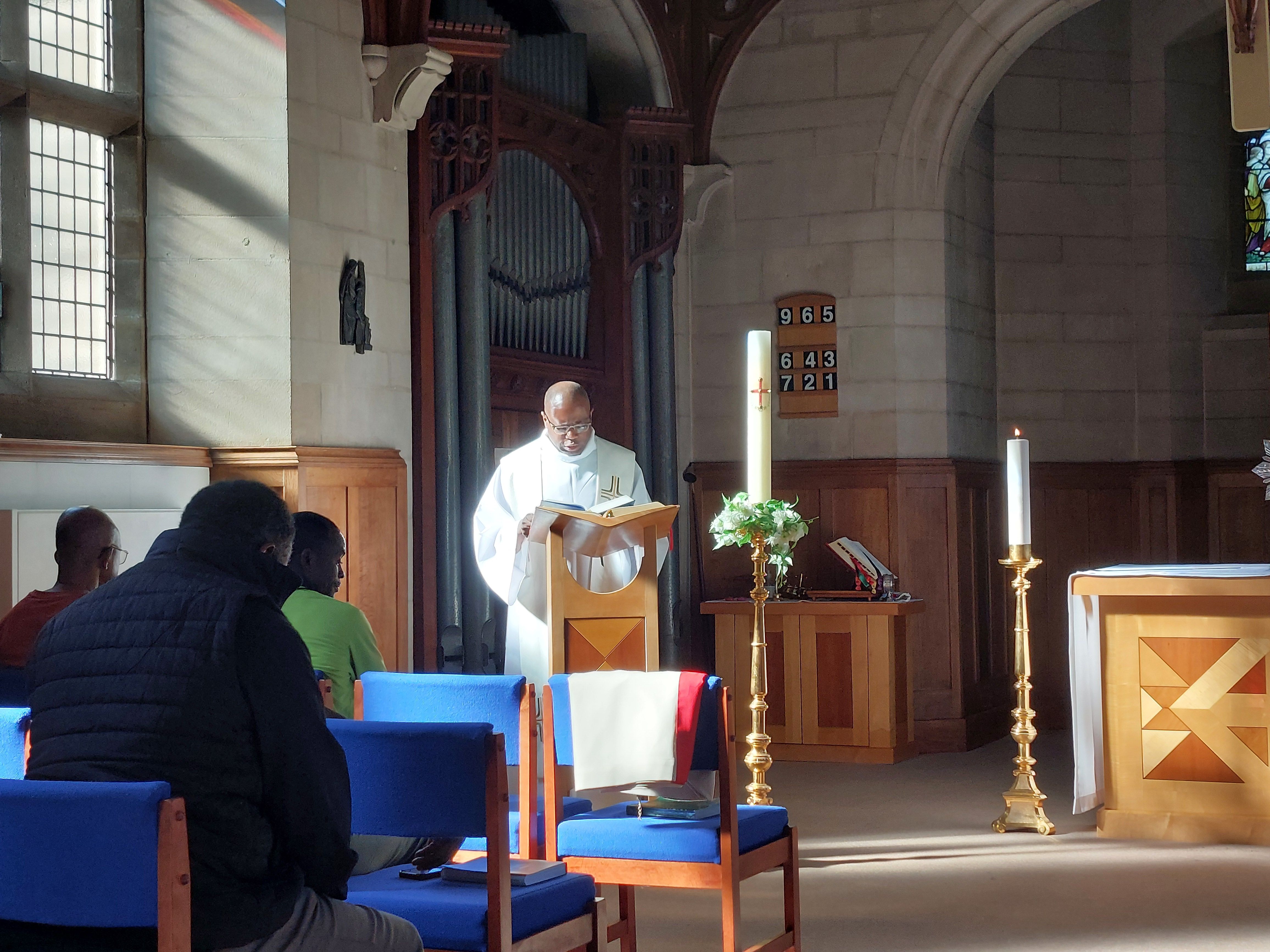
In the second conference, drawing from John 11:4, he shifted the ground toward holiness. Not as an abstract ideal, but as a living demand. He insisted-almost pressed-that we must not be afraid of the invitation to holiness. According to Libermann, holiness is nothing less than the life of God in our Lord Jesus Christ, lived through Him. It is not something we manufacture; it is something we consent to. And here, he grounded it firmly: the regular life is the most effective means of responding to this call. The daily rhythm, the rule, the ordinary structure of community life-these are not constraints; they are the very soil where vocation takes root and grows. Community life is not preparation for mission-it is mission itself, our first and most demanding field of charity.
Moving deeper, he drew us into Libermann’s simple but unsettling vision: God is gracious, and man is thanksgiving. If everything begins in grace, then everything must return in gratitude. There is no neutral ground. This opened into the hard teaching of self-renunciation, anchored in Luke 9:23. Not as harsh denial, but as alignment-learning to let go so that God’s life may take fuller shape in us. Here, prayer emerged not as obligation but as the school where this happens. He introduced us again to the Marian school of meditative prayer: a prayer of silence, attentiveness, and deep listening. Not many words. Not restless activity. Just presence. “We listen deeply in order to serve better.” That line stayed. Because it exposed something: we often rush to serve without first listening. Yet he insisted-the missionary dimension of inner silence must never be underestimated. Silence is not withdrawal from mission; it is what gives mission its depth and truth.
As the retreat advanced, he brought us to what felt like its summit: Libermann’s idea of “practical union”-the mysticism of the apostolic life. A movement unfolds here: from active union (where we work for God), to passive union (where we allow God to act in us), and finally to practical union-where action and contemplation are no longer in tension. We do not leave prayer to act; we act in prayer. We contemplate in action. It is a demanding integration, one that refuses half-measures.
Then came the closing image, quiet but piercing-the parable of unfinished work. He spoke of Libermann’s regret at not completing the chapters of his intended instructions for the Congregation. A man with vision, yet aware of what remained undone. That tension was brought home through the story of Toscanini completing Puccini’s unfinished music piece, “Turandot”. What one began, another had to finish. It landed like a question: what are we leaving unfinished? What has God begun in us that we are postponing, neglecting, or quietly abandoning? Mission cannot remain half-written. Wea re called put Libermann’s work into completion by our apostolic witnessing.
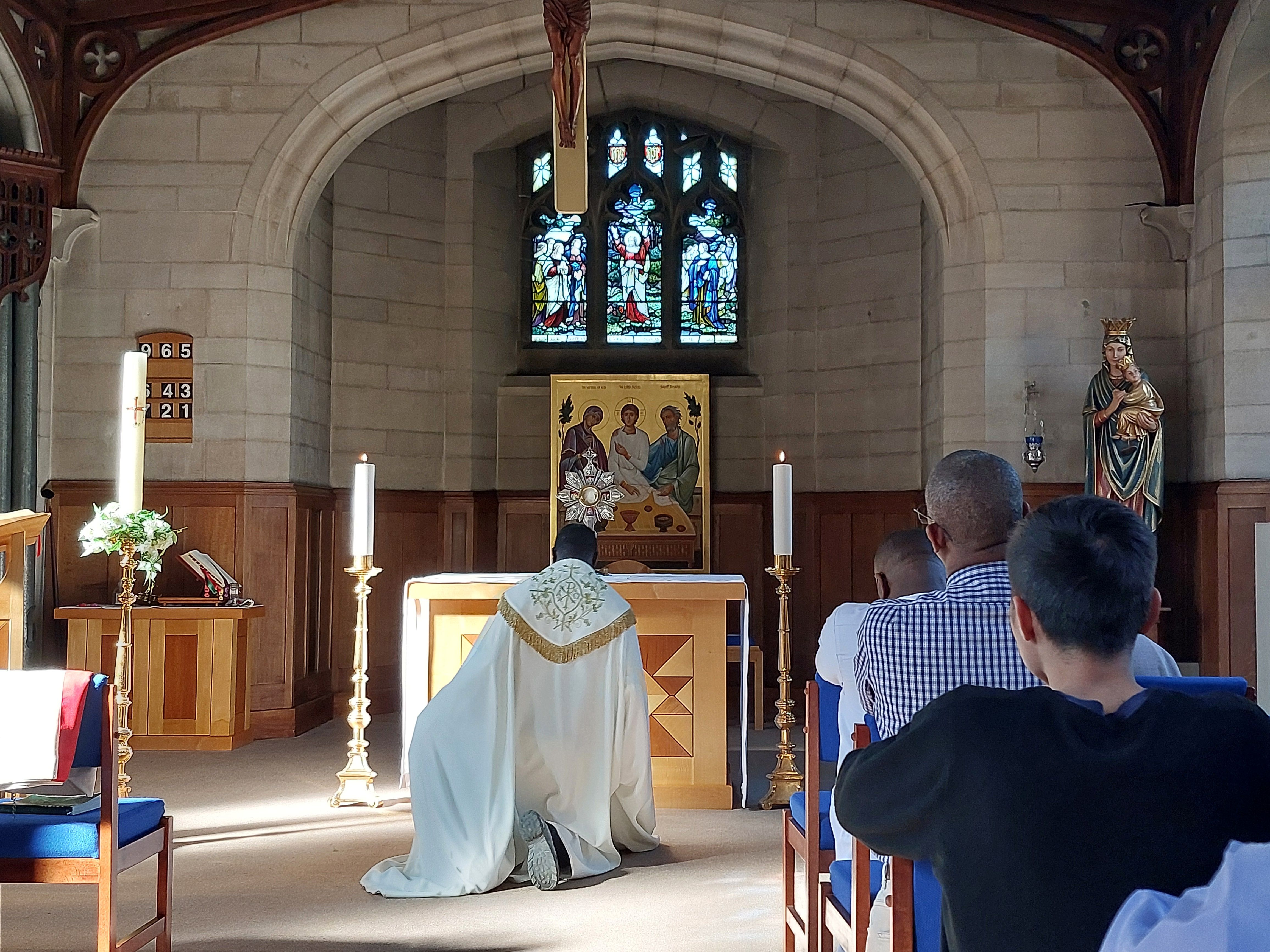
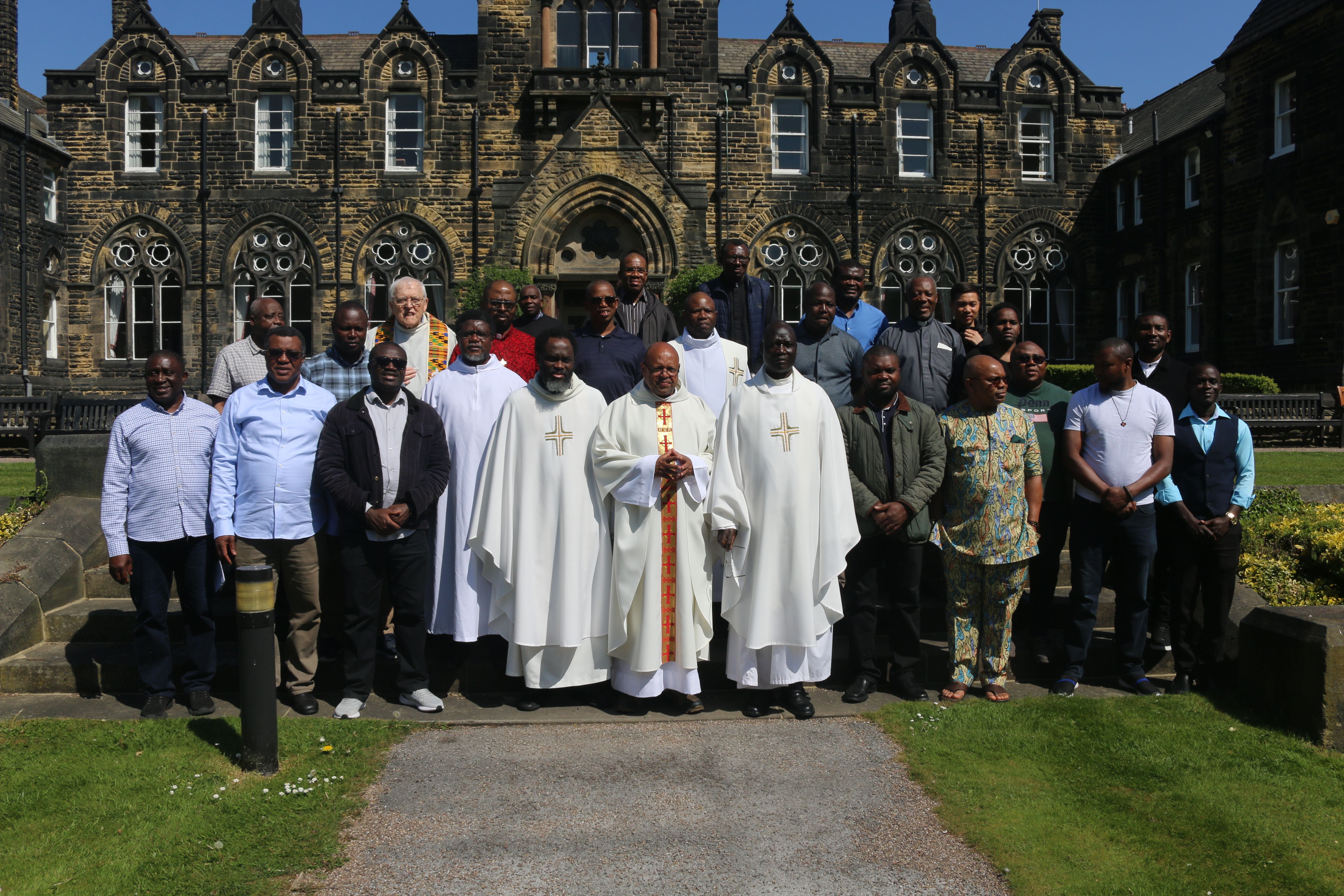
All of this unfolded within the sacred stillness of Hinsley Hall-where silence was not empty, meals were shared with simplicity and fraternity, and the atmosphere itself seemed to cooperate with the work of grace. By the time we arrived on Friday, 1st May 2026, and gathered for the Holy Mass that closed the retreat, something had shifted. Not dramatically, not noisily-but truly.
We left not merely refreshed. That would be too light a word. We left marked-carrying within us a quiet urgency, a deeper clarity, and perhaps most of all, that unsettling, persistent sense of having caught something we cannot shake off.
A virus without cure. And this time, we are not looking for one.
By Fr Oluwafemi Victor Orilua CSSp