
Dealing with Rejection and Expulsion
Acts 13:44–52; John 14:7–14
Fr. Williams Onyilo, CSSp.
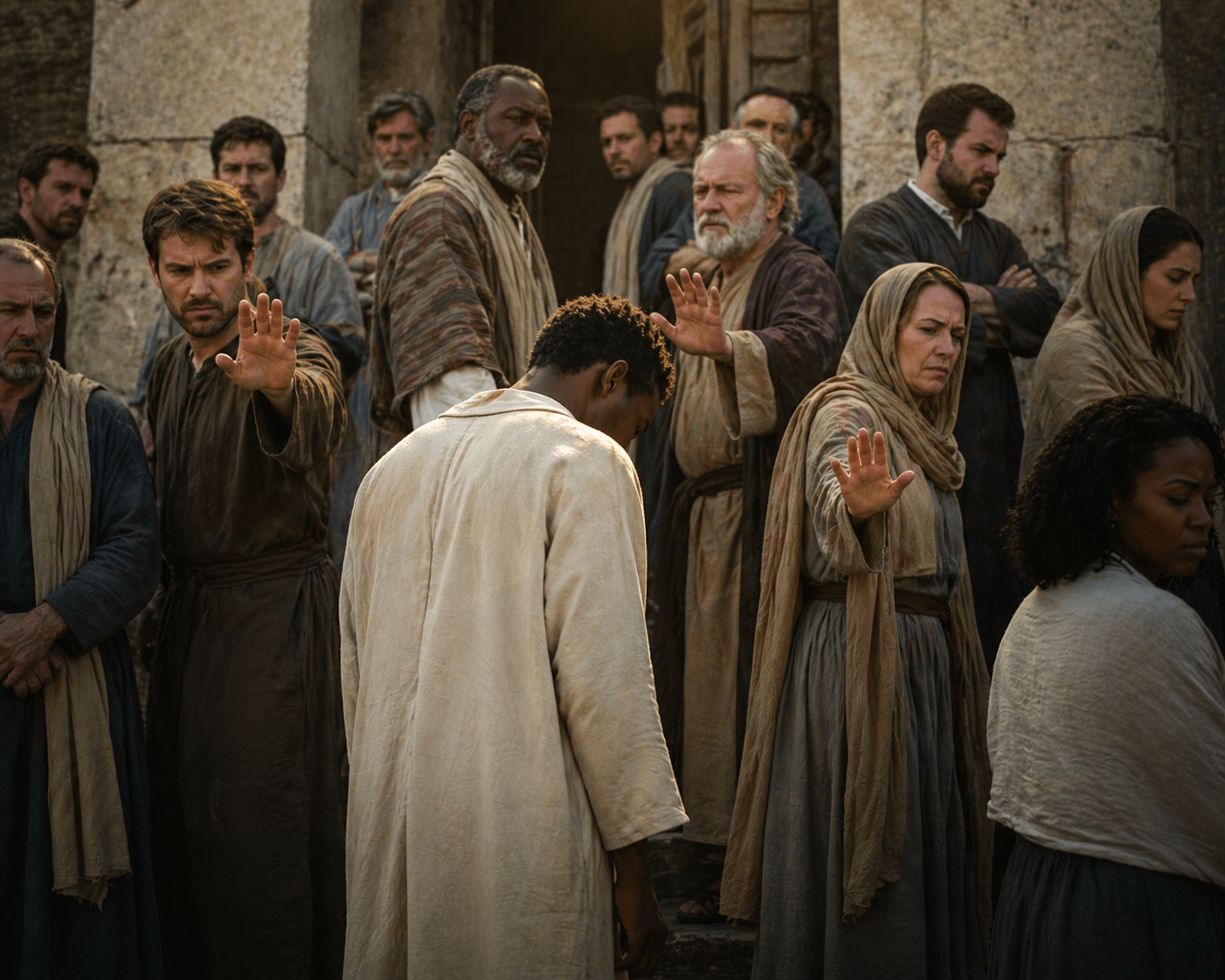
Rejection is the act of refusing to accept, consider, or agree with someone or something. It is the experience of being dismissed and not received. Expulsion, on the other hand, is a higher form of rejection—the formal act of forcing someone to leave a place, whether a country, a building, or an organization.
Many people, in the past and even today, have faced one form of rejection or another. Recent data in America, for instance, suggests that rejection cuts across financial, educational, and personal life. Many, especially among Generation Z and millennials, feel they belong to a “rejection generation.” Nearly half of those who applied for loans or financial products in the past year experienced denial. In the job market, many struggle to stay motivated due to repeated rejection. This shows how widespread the experience is—not to mention what happens in less developed parts of the world.
In the first reading today, the Jews, out of jealousy, incited the leaders in Antioch of Pisidia to reject and expel Paul and Barnabas because they were converting many. Also, St. Athanasius, whom we celebrate today, was rejected and sent into exile for seventeen years because he stood for the truth and opposed Arianism. Even some members of the Church rejected him, considering his defense of the truth too harsh. Yet today, he is in heaven, accepted by God and the angels.
Beloved brothers and sisters in Christ, rejection continues in our world. The question many ask is: how do we deal with it?
First, we must accept that rejection is part of life. It cannot be completely removed. Jesus Himself was rejected, even though He did good. His disciples were rejected. Athanasius was rejected. Yet, when we are rejected in one place, we are encouraged to move on to another where we are welcomed. As Jesus said, “If they reject you in one town, go to another” (Matthew 10:23). Even Jesus withdrew from places where there was strong hostility. In Mark 5:17, after healing the demoniac in Gerasa, the people asked Him to leave, and He did.
Secondly, to reduce rejection among us, we must learn to see our shared humanity beyond our ideologies. Even today, we see people rejecting others-sometimes even among the same race, as in cases of xenophobia. If we truly looked at one another first as human beings, such actions would lessen. Rejection destroys life; it does not build it.
May the Lord grant us the grace to endure rejection with faith and to build a world where acceptance, not exclusion, prevails. God bless us all.
Join the Conversation
No comments yet. Be the first to share your thoughts!